You know, the aviation industry is really changing fast these days, and with that comes a major uptick in the demand for
cutting-edge navigation technologies. Recent market studies are showing that the aviation sector for
inertial navigation systems is on track to hit around
$X billion by 2025. So, what’s driving all this growth?
Well, it’s all about the need for more accuracy and reliability in how flights navigate.
Enter Poseidon International Group (Hong Kong) Limited, which kicked off its journey in 2013. They’re right at the leading edge of this tech revolution.
They focus on independent research, design, and making fiber optic gyroscopes (FOG) and inertial navigation systems (INS).
With a bunch of technical patents under their belt, they’re rolling out innovative solutions specifically aimed at boosting safety and efficiency in aviation.
This blog is going to dive into innovative strategies that we believe could supercharge the capabilities of
Inertial Navigation Systems in aviation. Let’s explore some exciting breakthroughs that might just reshape the industry in the next few years!
Emerging Trends in Inertial Navigation Systems for Aviation by 2025
You know, the aviation industry has really been buzzing with some pretty amazing advancements in inertial navigation systems (INS) lately. It’s wild to think that by 2025, we could see a major transformation in this area. According to some research from Allied Market Research, they’re predicting that the global INS market could hit around $17.57 billion! And a big part of that growth is the rising need for super accurate navigation solutions in aviation. We're also seeing cool trends like blending artificial intelligence with sensor fusion technology, which are really leading us to some next-gen inertial systems. These promise to take precision and reliability up a notch.
For those of you in the aviation field wanting to stay on the cutting edge, it’s a good idea to keep investing in your training and development around these new technologies. Being familiar with how AI can be used in navigation can really open doors for making flight ops safer and more efficient. And hey, don’t forget about teaming up with tech companies that specialize in sensor fusion. This could really boost your system's performance and help dodge those pesky navigation errors.
Another trend that’s pretty interesting is how INS components are getting smaller and lighter. This change is super important with the growing demand for systems that are not just efficient but also easier to handle. Research And Markets has noted that advances in MEMS (Micro-Electro-Mechanical Systems) tech are key to achieving this, which makes INS more available for everything from UAVs to commercial planes. So, embracing these innovations is going to be a big deal for anyone in the aviation sector who wants to improve their capabilities and stay ahead of the game.
Key Technological Innovations Transforming Aviation Navigation
You know, the way we navigate aircraft has been totally revolutionized by some incredible tech advancements. I mean, advancements in artificial intelligence and data analytics are really shaking things up for inertial navigation systems, making them way more precise and reliable. With AI sifting through massive amounts of data on the fly, these modern navigation systems can adapt to changing conditions like a pro, helping to keep flights safer and operations running smoothly. This kind of innovation is a game changer for airlines—they can optimize their schedules and cut down on fuel usage, which is super important for making aviation more sustainable.
And there's more! We’re starting to see cool stuff like machine learning and quantum computing getting thrown into the mix for flight planning and navigation. Honestly, it feels like we’re stepping into a whole new chapter for the aviation world. It's not just about making things more efficient; these technologies also give flight planners a better shot at predicting and tackling any bumps in the road that might come their way. As the aviation sector continues to embrace all these changes, we’re bound to see a significant shift in how we do air travel—leading us towards a future with smarter navigation and operational strategies. It’s really exciting to see how the industry is committed to adopting these technologies to enhance its agility and resilience.
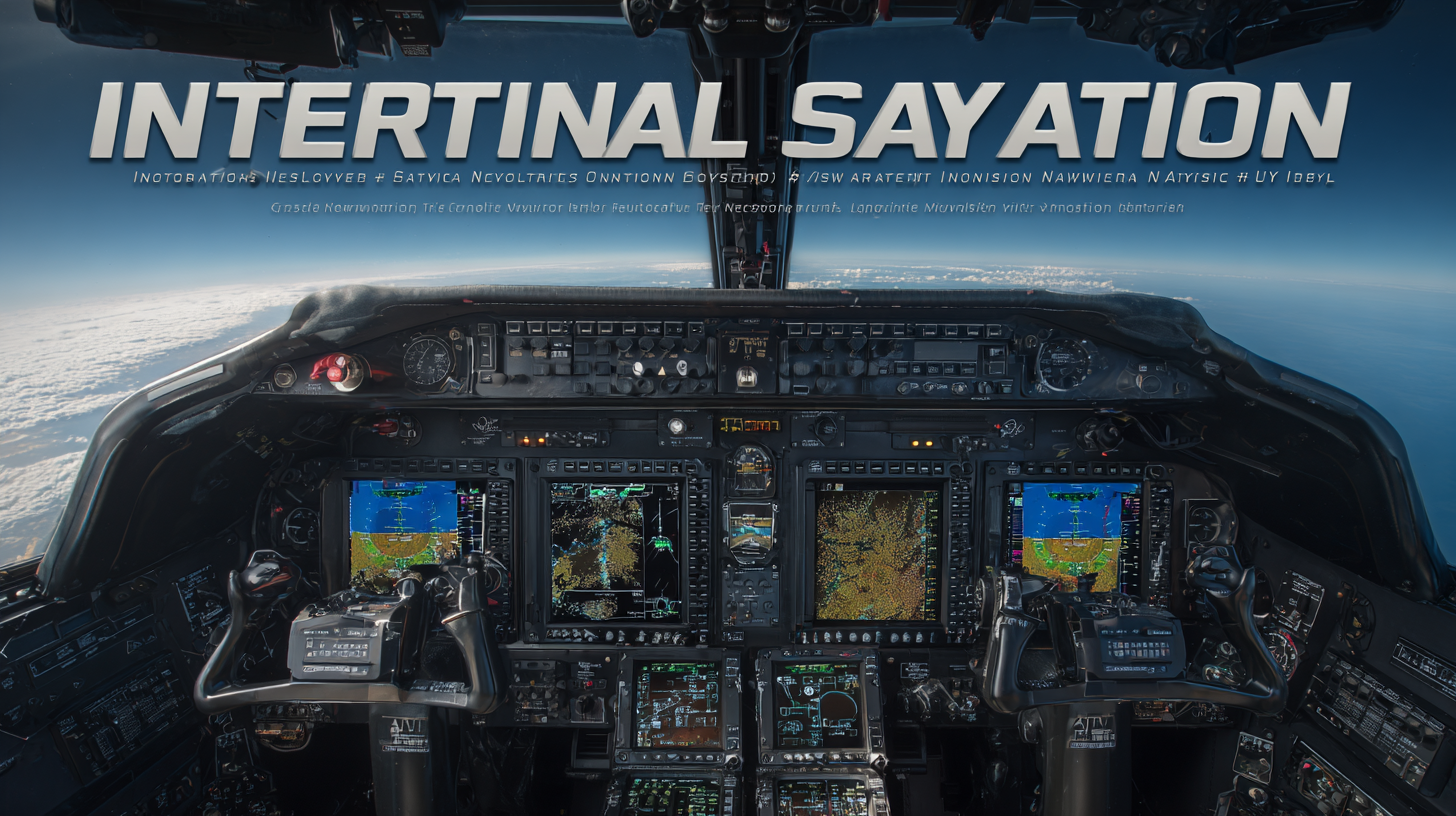
How AI and Machine Learning Enhance Inertial Navigation Accuracy
Hey there! You know, the world of aviation is changing super fast, especially with how artificial intelligence (AI) and machine learning are being woven into inertial navigation systems (INS). It’s like a game changer for navigation and control! These cutting-edge technologies are crazy good at boosting the accuracy and reliability of inertial navigation. They let systems handle loads of data in real time, which means we get more precise navigation solutions. Plus, they help the systems adapt when things unexpectedly shift around them—definitely a win in complex aviation situations. Fewer navigation errors? Yes, please!
Here at Poseidon International Group, we totally see how powerful it can be to mix AI and machine learning into our designs. Since we kicked things off back in 2013, we’ve been leading the charge in creating top-notch fiber optic gyroscopes and inertial navigation systems. Our focus on independent research and production has helped us grab a bunch of technical patents that really boost our system’s capabilities. By harnessing the power of AI, we’re not just stretching the limits of what our current inertial navigation tech can do, but we’re also gearing up to meet the future demands of autonomous navigation systems. It’s all about making aviation safer and more efficient!
Impact of AI and Machine Learning on Inertial Navigation System Accuracy
Sustainability in Aviation: Eco-friendly Inertial Navigation Solutions
Hey there! You know, in this super fast-changing aerospace world we live in, the push for sustainability is really shaking up how we look at inertial navigation systems, or INS for short. More and more, companies are all about eco-friendly tech. They're throwing a lot of resources into creating smart solutions that not only make navigation spot-on but also aim to be kinder to our planet. For instance, there's some serious cash being put into boosting industrial capabilities in resilient navigation, which could definitely lessen the need for those old-school, less sustainable systems.
So, advanced inertial navigation tech is becoming a big deal, especially when it comes to places where GPS just doesn’t cut it. These new-age technologies meld electric advancements with sustainability practices, making way for cockpits that are smarter than ever and engines that really know how to save fuel. On top of that, companies are getting creative with dual application systems that can dish out key info like heading, roll, and speed, helping ensure planes can navigate just right while keeping in mind the bigger picture of aviation sustainability. As we head further down this road towards greener options, it's clear that teamwork between innovative companies will be super important in shaping the future of aviation. Isn’t that exciting?
Innovative Solutions for Best Inertial Navigation System Aviation Enhancement - Sustainability in Aviation: Eco-friendly Inertial Navigation Solutions
| Dimension |
Description |
Impact |
Sustainability Score (1-10) |
| Power Efficiency |
Use of energy-efficient algorithms and hardware |
Reduces energy consumption and operational costs |
9 |
| Material Sourcing |
Utilization of recycled and sustainable materials |
Decreases environmental footprint |
8 |
| Software Optimization |
Advanced algorithms for better navigation efficiency |
Improves overall navigation accuracy, reducing fuel waste |
10 |
| Lifecycle Management |
Strategies for reducing waste throughout the product's life |
Promotes reusability and recycling efforts |
7 |
| Carbon Offset |
Implementation of carbon offset programs |
Mitigates carbon emissions from aviation activities |
8 |
Future Challenges in Implementing Advanced Navigation Systems
You know, with how fast aviation tech is evolving, we really need to come up with some fresh solutions to deal with the tricky parts of modern navigation systems. As we look ahead at the challenges of rolling out advanced inertial navigation systems (INS), it's super important to mix in some state-of-the-art techniques that boost accuracy and reliability. I mean, nowadays, being spot on with navigation can really make a difference when it comes to safety and efficiency in flying operations.
Here at Poseidon International Group, we’re totally committed to tackling these challenges head-on. We’re using our know-how with fiber optic gyroscopes (FOG) and advanced INS design to spearhead this effort. Our ongoing research and development aims at crafting tough navigation solutions that can keep up with ever-changing environments. As we push the envelope, we also face the challenge of blending our work seamlessly with new technologies like autonomous driving systems and advanced attitude and control setups. Getting these technologies right isn’t just about setting new standards for navigation; it’s also about ramping up safety protocols, and that’s crucial for aviation's future.
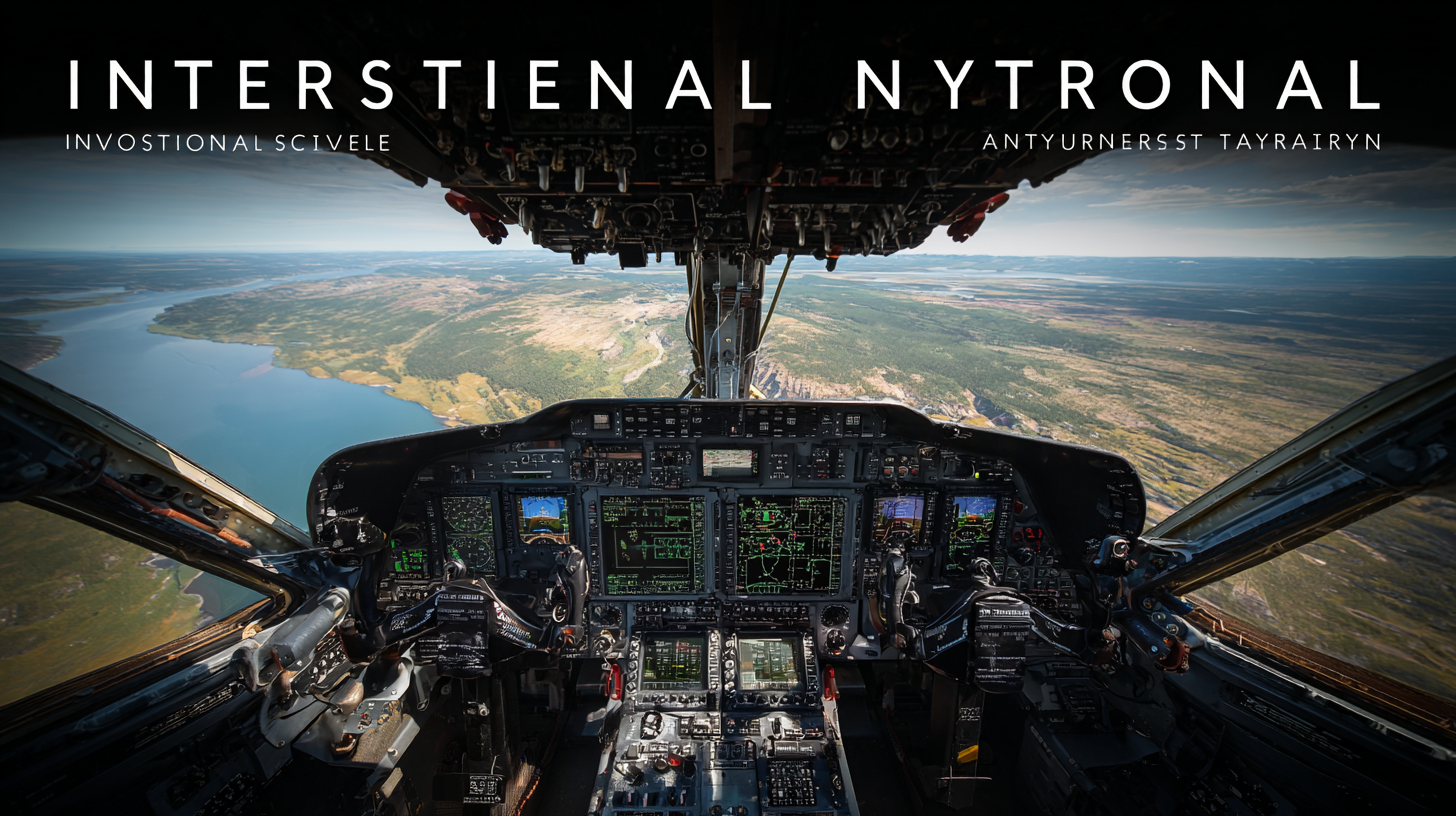
Best Practices for Integrating New Technologies into Existing Systems
You know, introducing new technologies into our trusty inertial navigation systems really opens up a world of possibilities, but it comes with its own set of hurdles too. As industries keep changing and adapting, jumping on the latest trends like AI, cloud computing, and savvy data analytics can really boost how well these systems perform. But here's the thing: to make it all work smoothly, we've got to understand what the current setup needs and then customize the new tech to fit right in. Take AI, for example; it’s fantastic for predictive maintenance and can really help make aviation navigation more reliable.
To get this integration right, it's super important to nurture an innovative vibe among team members, keep up with ongoing training, and have solid data management practices in place. We should also team up across different fields like engineering and computer science; it's all about sharing knowledge, right? This way, we can avoid bumps in the road when we’re implementing these changes. And let’s not forget how crucial it is to communicate effectively with everyone involved. Keeping all stakeholders in the loop is key to pushing our shared vision forward without a hitch.
Exploring the Benefits of High Precision Integrated INS970 Navigation in GPS-Denied Environments
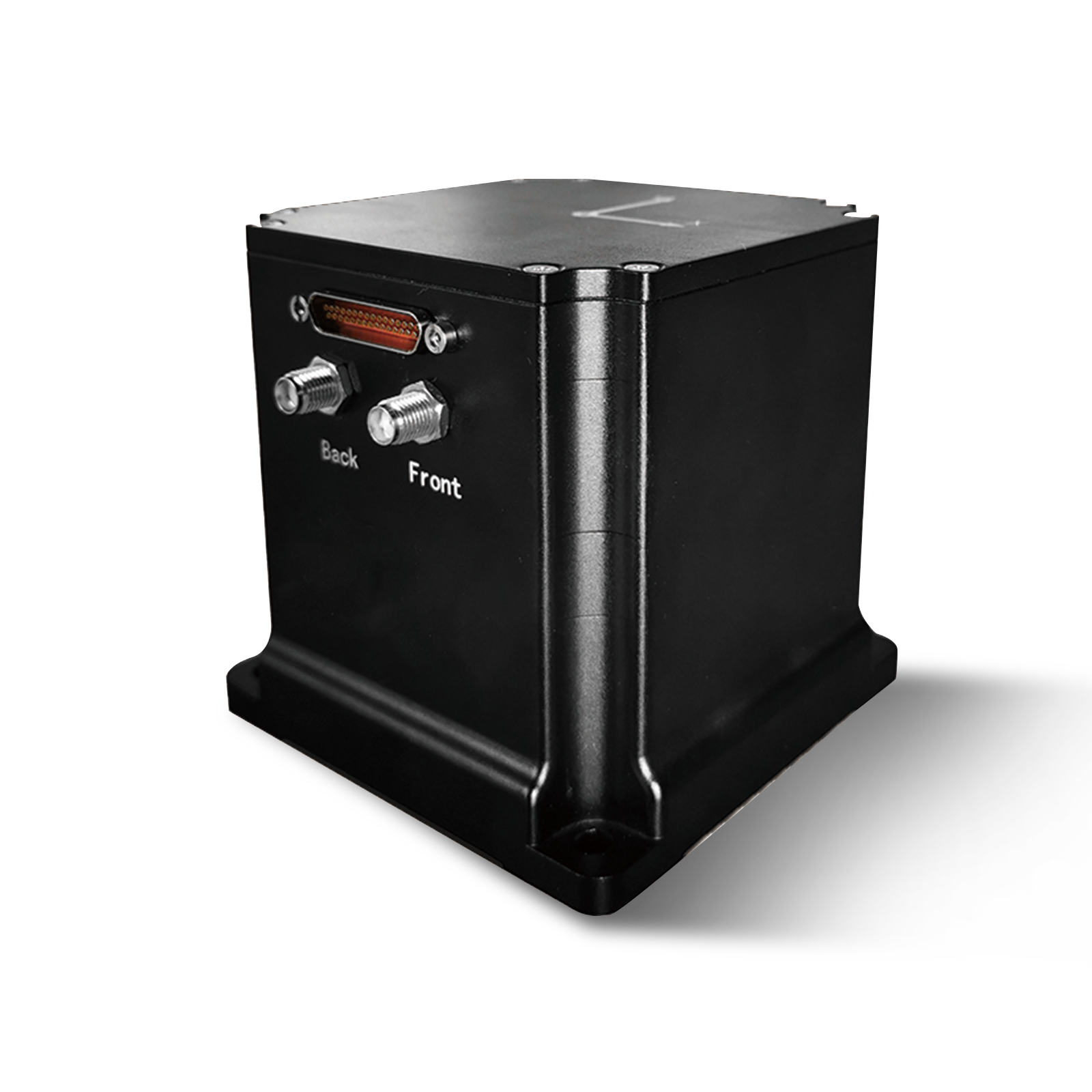
In today's rapidly evolving technological landscape, offshore oil and gas operations face significant challenges, especially in GPS-denied environments. The Poseidon INS970 High-Precision Integrated Navigation System emerges as a game-changer, providing critical solutions for deep-sea exploration and infrastructure maintenance in remote areas. Leveraging advanced fiber optic gyroscope (FOG) technology and MEMS accelerometers, the INS970 ensures exceptional accuracy and reliability in subsea navigation, making it an indispensable tool for professionals in this field.
The integration of multi-system satellite navigation—comprising GPS, BDS, GLONASS, and Galileo—further enhances the system's performance, delivering real-time data regarding heading, attitude, speed, position, angular rate, and acceleration. This level of precision is crucial for ensuring safety and efficiency in operations that demand exacting standards. The Poseidon INS970’s compact design and low power consumption make it adaptable to various applications including marine engineering surveying, UAVs, and aerospace, while also allowing the integration of external sensors like odometers and USBL.
As the energy sector continues to push the boundaries of exploration and technological integration, the Poseidon INS970 stands at the forefront, empowering operators to navigate complex underwater environments with confidence. The system not only enhances situational awareness but also streamlines asset inspection processes, reinforcing its value in ensuring the safety and reliability of offshore operations.
FAQS
: Sustainability is reshaping the development of inertial navigation systems by emphasizing eco-friendly technologies and solutions that minimize environmental impact while enhancing navigation precision.
Advanced inertial navigation solutions are vital in GPS-denied environments as they provide essential navigation capabilities, ensuring reliable operation even when GPS signals are unavailable.
Modern inertial navigation systems feature dual application systems that deliver crucial data such as heading, roll, and speed, enabling accurate navigation and supporting the aviation industry's sustainability goals.
Companies are making significant investments to strengthen industrial capabilities in resilient navigation, focusing on developing innovative solutions that enhance navigation precision and reduce reliance on traditional, less sustainable systems.
Advanced navigation systems face challenges related to accuracy, reliability, and the need for integration with emerging technologies, which are essential for ensuring safety and efficiency in aviation operations.
Poseidon International Group is focused on addressing challenges in advanced inertial navigation by leveraging expertise in fiber optic gyroscopes and continuous R&D to create robust and adaptable navigation solutions.
Collaboration among innovative firms is crucial for defining the future of aviation, particularly as the industry moves toward greener alternatives and integrates advanced technologies.
By enhancing accuracy and integrating with technologies like autonomous driving systems, modern inertial navigation systems elevate safety protocols and redefine navigation standards, ensuring safer aviation operations.
Advanced inertial navigation systems contribute to aviation efficiency by providing precise navigation data and enabling smarter cockpit designs and ultra-efficient engines.
Emerging technologies relevant to inertial navigation include autonomous driving systems and advanced attitude and control systems, which are crucial for the seamless integration and advancement of navigation solutions in aviation.

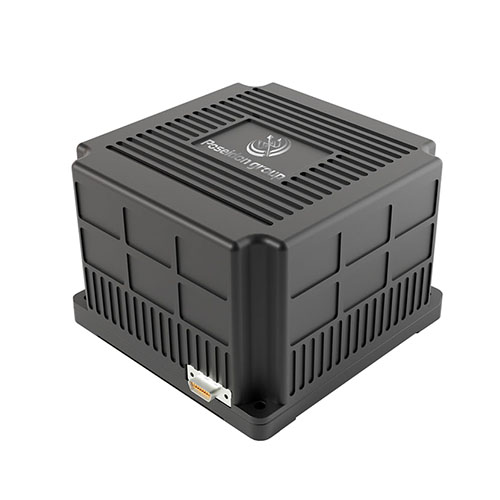 TBSD60
 BSD120
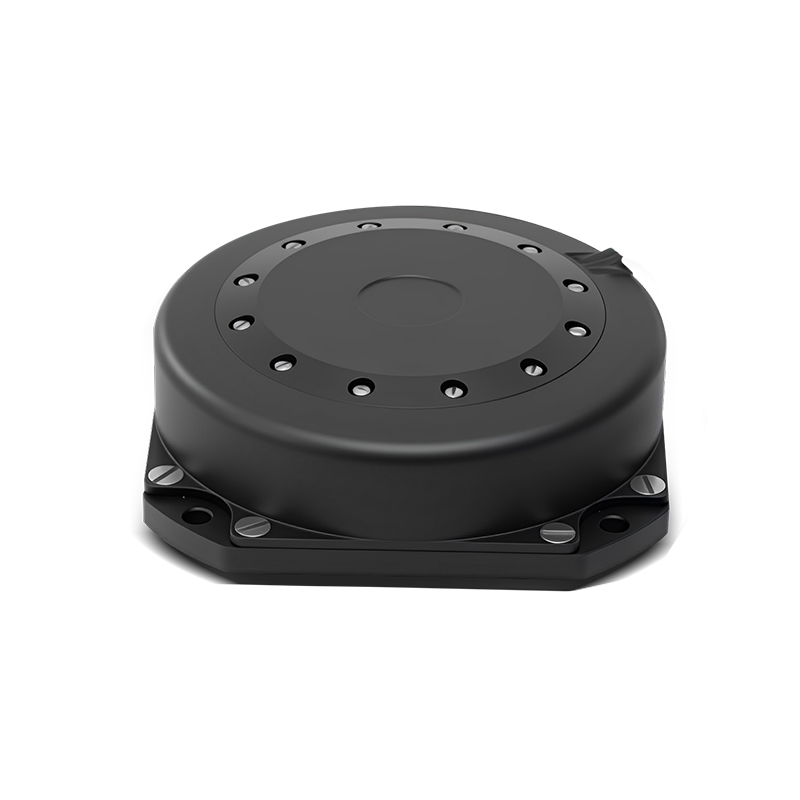 BSD98
BSD98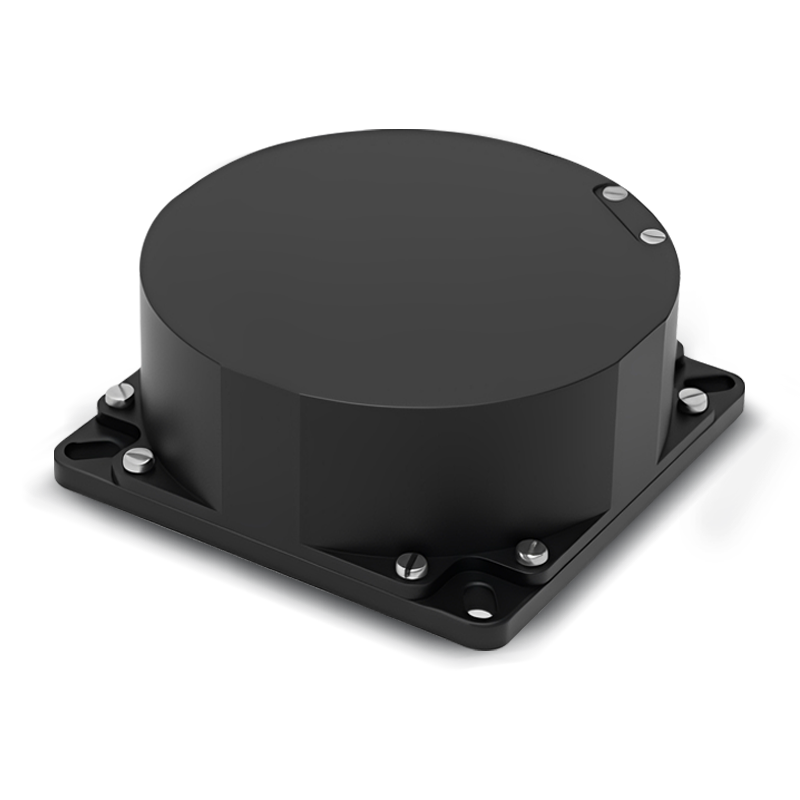 BSD70
BSD70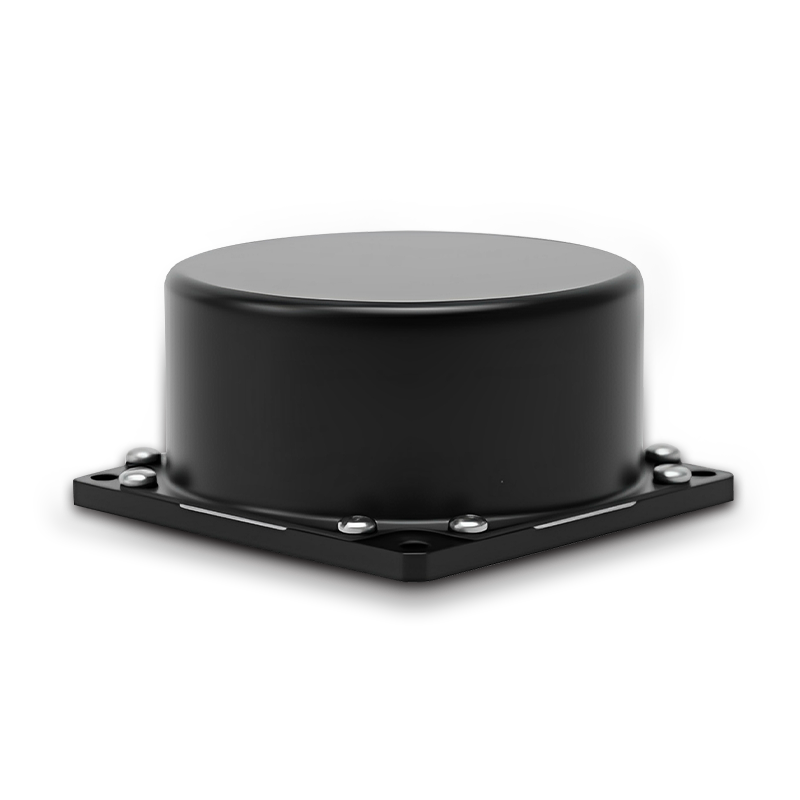 BSD60
BSD60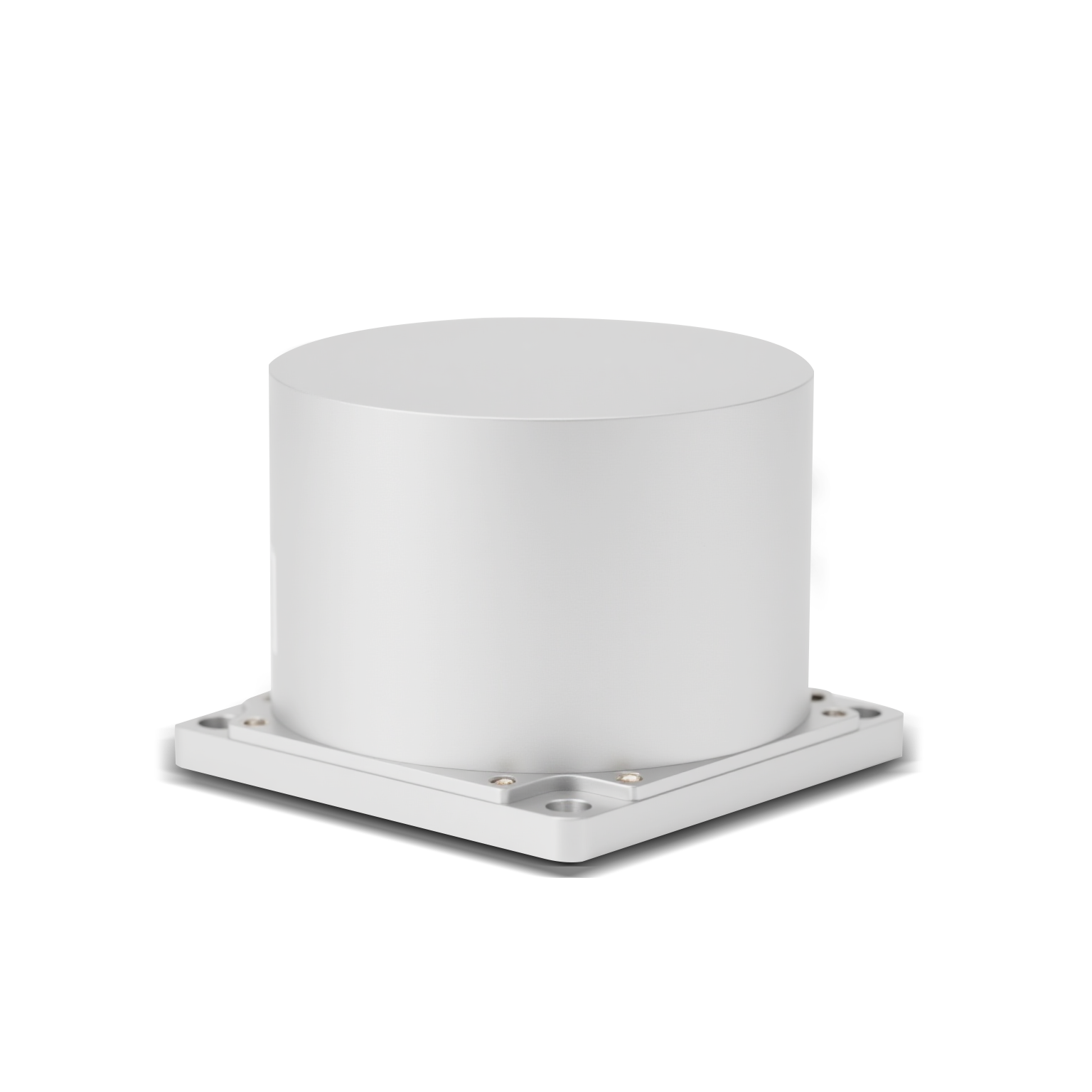 BSD50
BSD50 BSD217
 INS1700
 INS970
 INS570
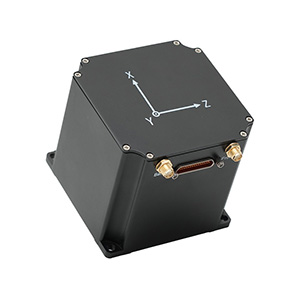 INS170
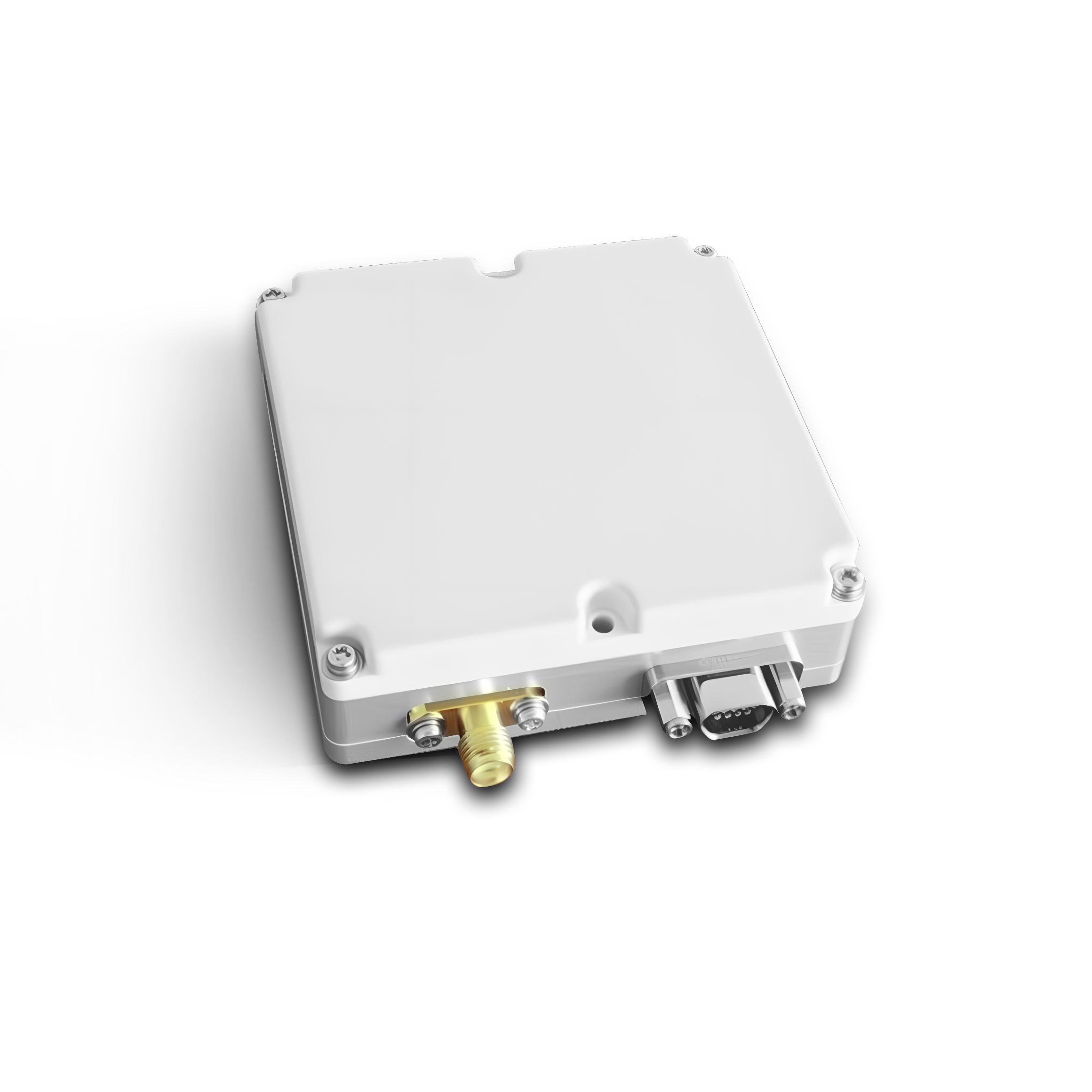 SLA-4B1L1-65
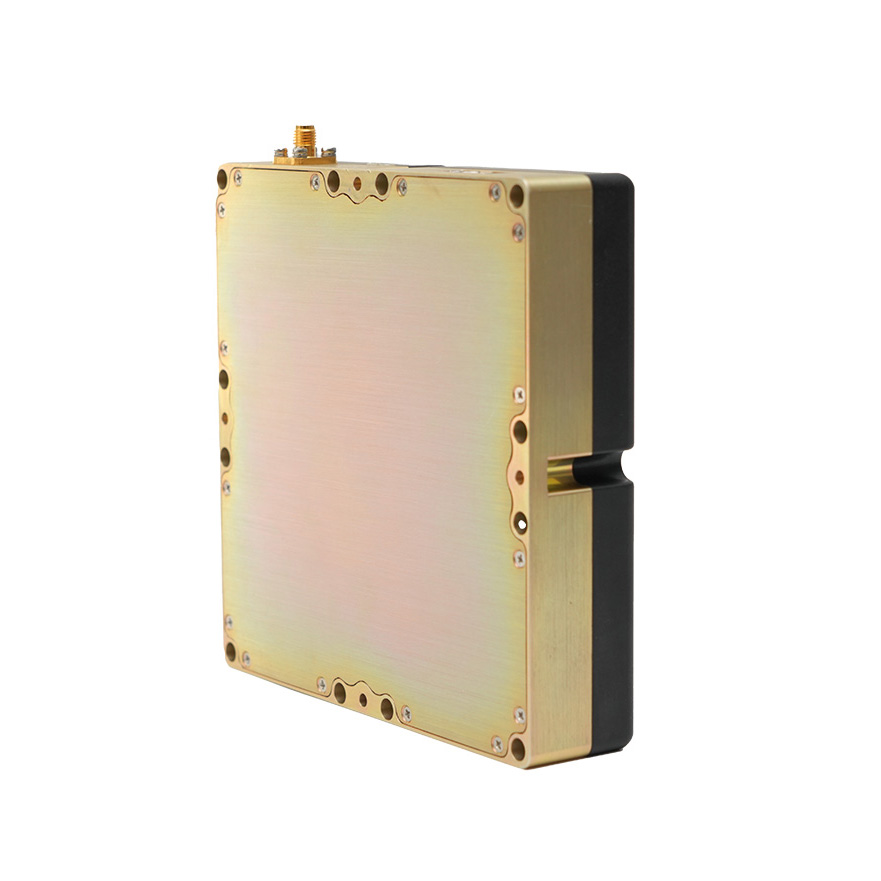 SLA-4B1L1-130
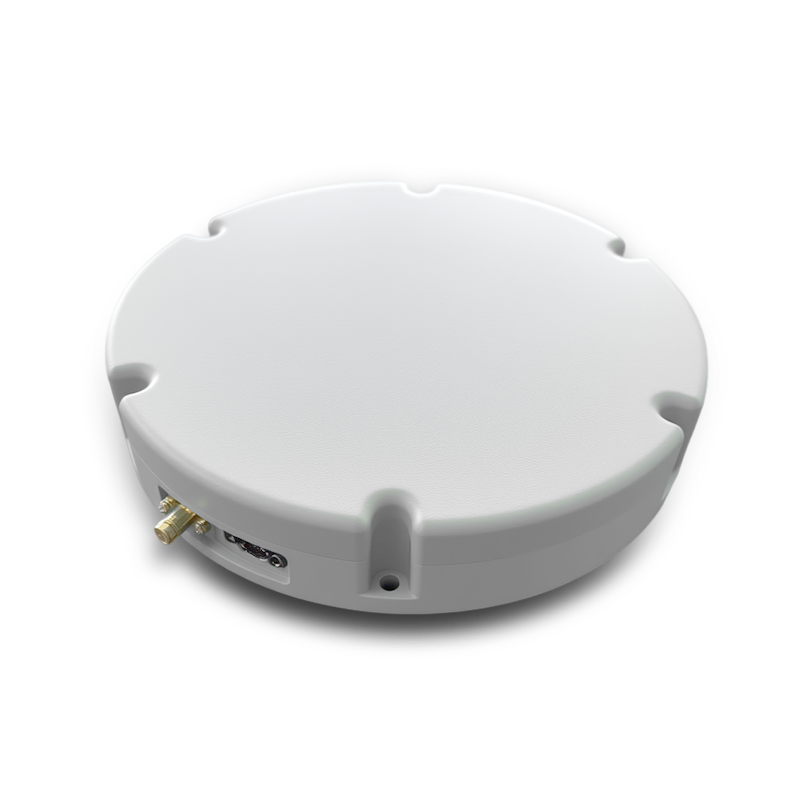 SLA-8B1L1-165
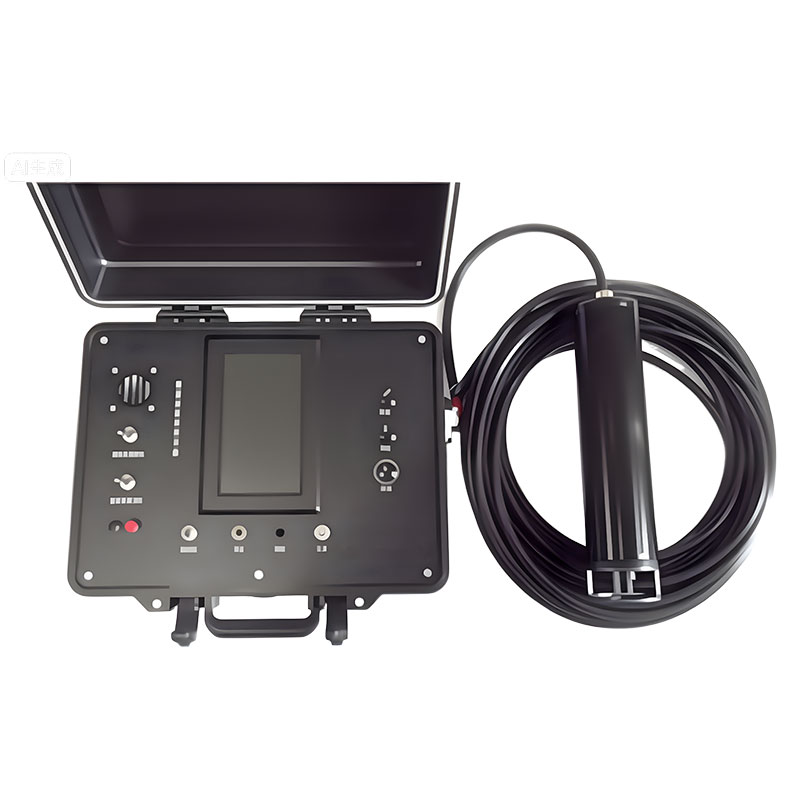 DIVER 101
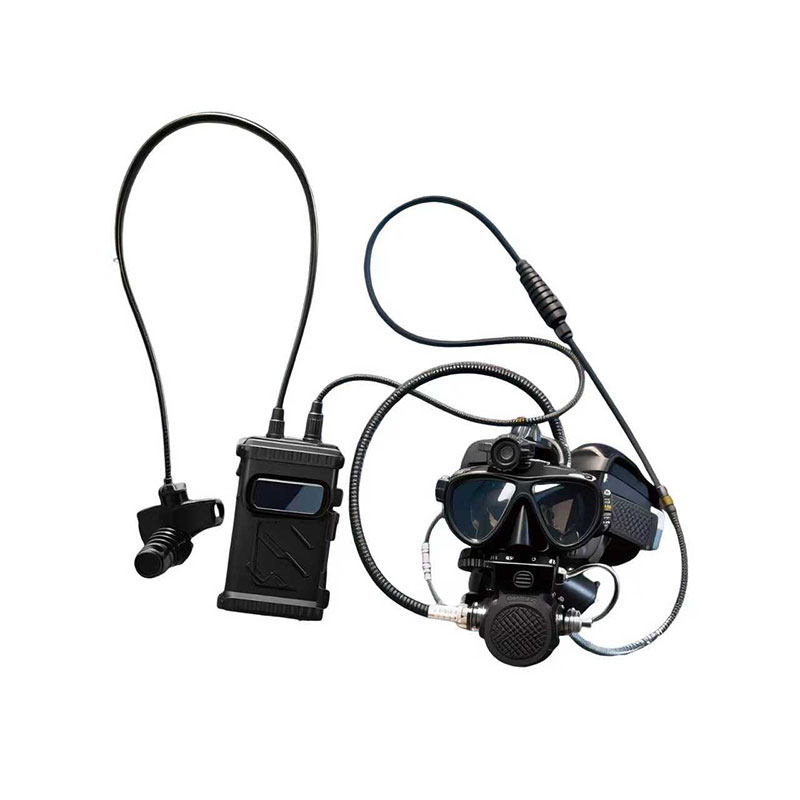 DIVER 102
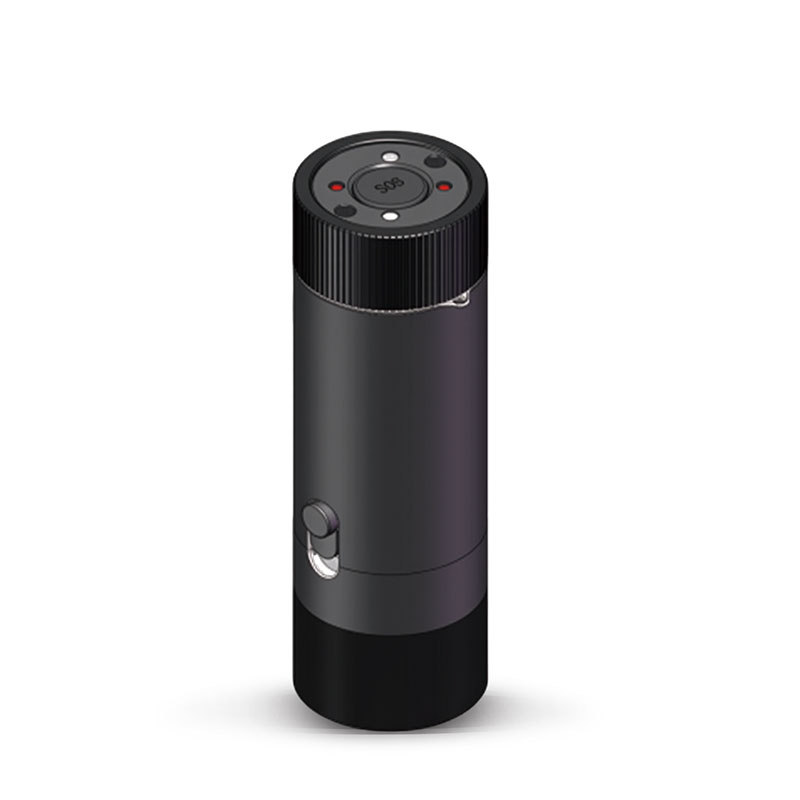 DIVER 103
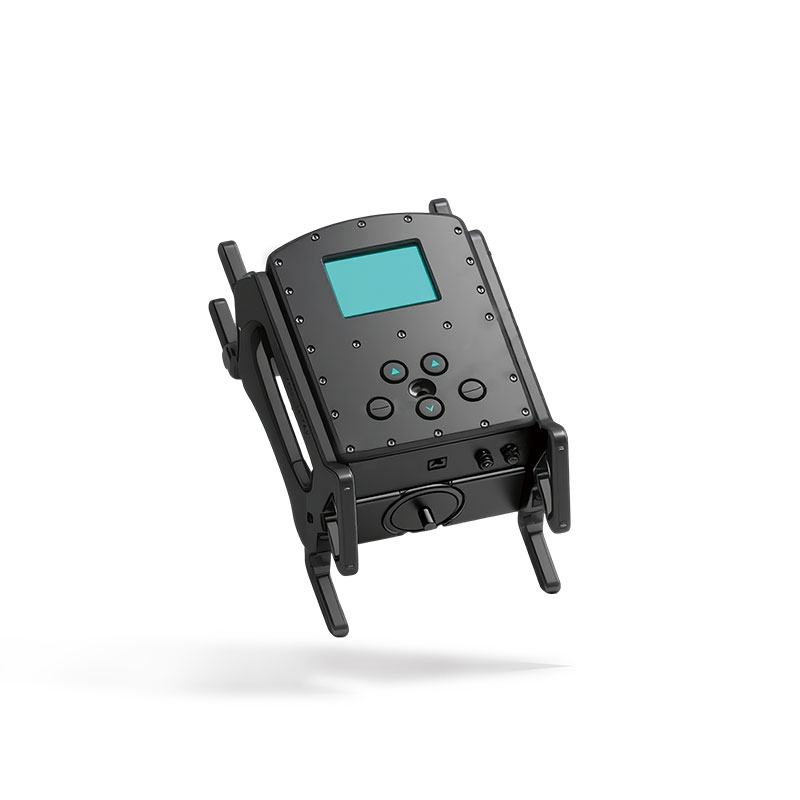 DIVER 104
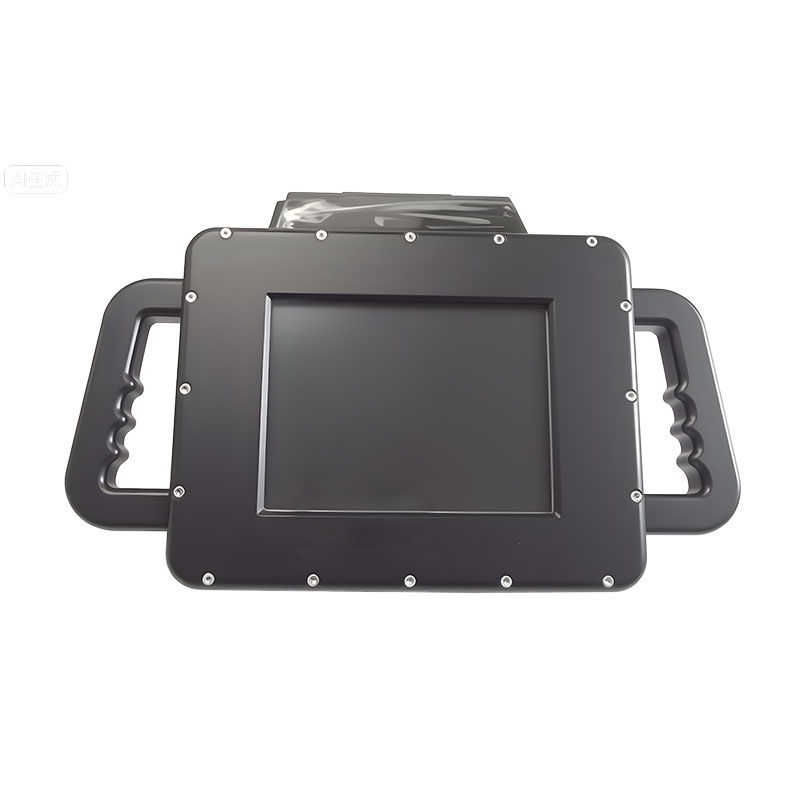 DIVER 105
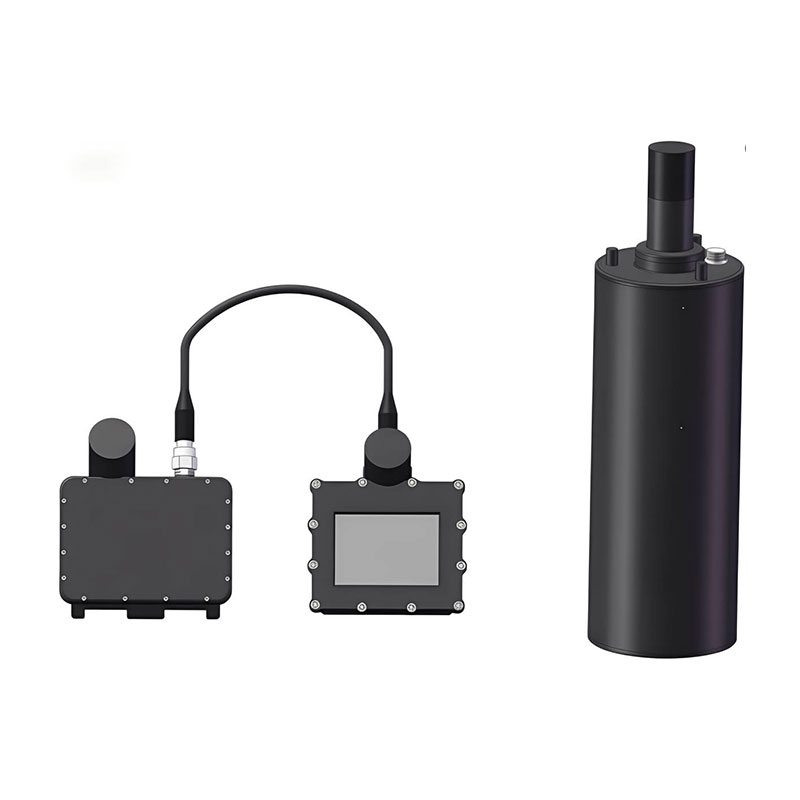 DIVER 106
 SLLR3000
 SLLR905
 SLLD25
 160M
160M 170M
170M SLFC-70
 SLAF280
 MR360
MR360